Google's Finnish data center project displaces wolves into nearby villages
Unauthorized forest clearing for AI infrastructure has disrupted local wildlife, leading to increased animal activity in residential areas and a formal order to halt construction.
By Christopher Richardson ·
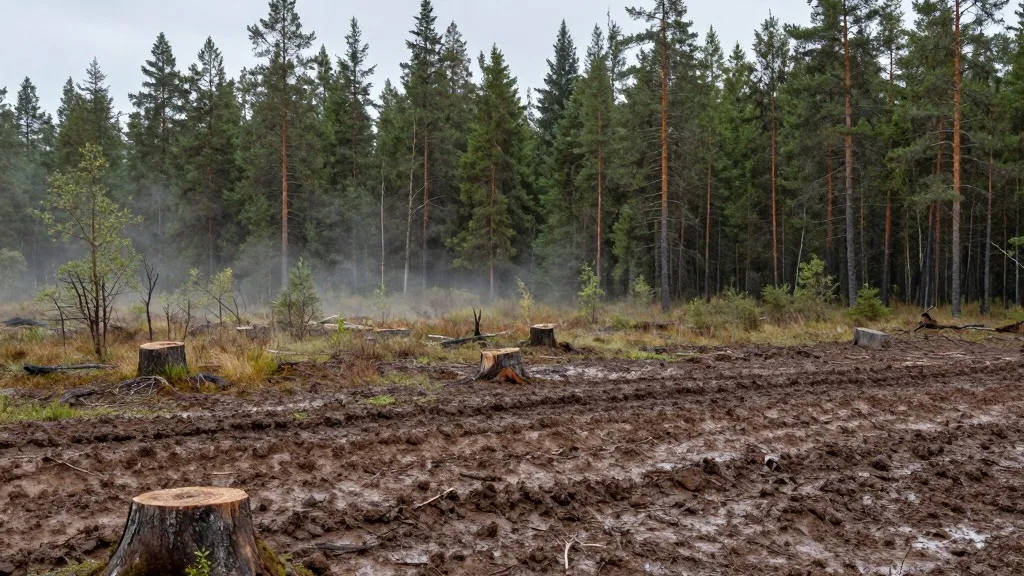
Google has faced significant backlash in Finland after its aggressive expansion of AI data centers resulted in the clearing of thousands of acres of forest. The tech giant's Finland country manager recently issued an apology for the unauthorized work, which has transformed previously wooded land into muddy open spaces. This development has not only drawn criticism from environmental groups but has also prompted local residents to report a noticeable shift in wildlife behavior near their homes.
The core of the issue lies in the scale of the land alteration. Google cleared approximately 816 acres of forest near Muhos, turning the area into what locals describe as a vast expanse of mud. Additionally, roughly 500 acres of forest were removed in the area 55 miles southeast of the village of Otanmäki. The Finnish Licensing and Supervision Authority, known as LVV, has officially ordered the company to cease all work in these specific zones. This regulatory intervention highlights the tension between rapid technological infrastructure development and local environmental regulations.
Local residents are reporting that the displacement of wildlife is having direct consequences for human safety. Anni Ranta, a 53-year-old resident of Otanmäki with generational ties to the area, explained that wolves have begun roaming into the village. She noted that the animals moved out of the forest because their natural habitat was destroyed. Ranta expressed concern that this shift creates a serious safety issue for the community, as wild animals that were previously contained within the woodland are now interacting with residential spaces.
Beyond the wildlife concerns, the project has generated a wide range of complaints from the local population. Residents have voiced dissatisfaction over the constant noise from construction and factory operations. There are also reports of local streams turning brown, indicating water pollution, and rare bird species being pushed out of their natural territories. These issues have added to the simmering anger over what many perceive as Google riding roughshod over established rules in its rush to build new facilities.
The Finnish Association for Nature Conservation, or SLL, characterized Google's handling of the environmental policy as unprecedented and clear in its violations. Their representative suggested to The Guardian that the company's actions stand out in their severity. In response to the LVV's order to stop development, a Google spokesperson remained positive. They stated that the company will fully comply with the authority's requests. The spokesperson also expressed a desire to maintain an active and open dialogue with all authorities to strengthen the partnership between Google and local organizations in Finland.
Contextually, this is not the first time AI data center developers have faced environmental scrutiny in Finland. Similar concerns have been raised in the United States and other countries regarding the ecological footprint of these massive facilities. The current situation in Muhos and Kajaani, near Otanmäki, follows a notice issued by the Finnish government earlier this month to halt construction activities. Google appears to be hoping that the promised business benefits of these data centers will ultimately sway the government and regulators in its favor.
Looking ahead, the resolution of this dispute will likely hinge on the balance between economic incentives and environmental remediation. While Google has committed to compliance, the physical damage to the forest and the displacement of wildlife, particularly wolf packs, remain immediate concerns for the community. The situation serves as a case study in the growing friction between the global demand for AI computing power and the local environmental and social costs of hosting that infrastructure.
Source: Tom's Hardware · original report published