Legal Filings Reveal Complications During Christa Pike's Lethal Injection Attempt
Court documents detail how medical staff struggled to find working veins in the inmate's arms before administering the final dose of drugs.
By Chioma Kim ·
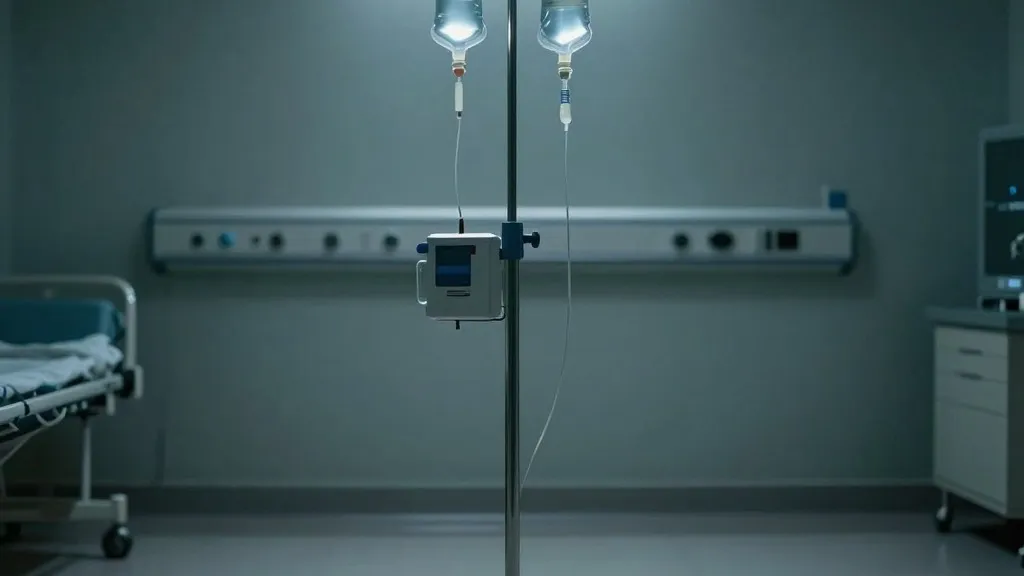
A new court filing reveals that the medical team preparing to execute Tennessee inmate Christa Pike faced significant difficulties locating usable veins in her arms before the lethal drug was administered. According to her legal counsel, the staff warned that her veins may have ruptured during the process, offering the most granular look yet at the events that led to her survival. The details were included in a document submitted this Thursday, which provides a minute-by-minute account of the chaos in the execution chamber.
Randy Spivey, Pike’s attorney, stated that the IV team utilized approximately ten needles and attempted multiple sites on both of her arms. The struggle was not limited to finding a vein. The team reported trouble pushing saline through the final IV site they established, suggesting potential issues with the line even after placement. This level of detail highlights the procedural hurdles that emerged before the first drop of pentobarbital was pushed.
Pike, who is 50, is one of the youngest women ever sentenced to death in the state. She was convicted in 1995 for the stabbing death of her classmate, Colleen Slemmer, a crime she committed with her boyfriend at the age of 18. On September 30, the state attempted to carry out her sentence. However, she survived two doses of pentobarbital, a drug that is intended to be fatal in a single administration. Her survival has now sent her back to prison after a hospital stay where she was kept on a ventilator for several days.
The state’s protocol mandates a second dose of pentobarbital if the initial injection does not result in death. However, the guidelines do not specify a course of action if an inmate survives the second injection. Pike’s condition deteriorated to the point where her lawyers feared she would not live. She regained consciousness and was eventually discharged, returning to her cell. This case has now become part of a broader legal challenge against Tennessee’s lethal injection methods, with other death row inmates questioning the safety of the procedure.
Kit Thomas, an attorney representing the group challenging the state’s methods, noted that the recent events confirmed their fears. He stated that the likelihood of botched executions was a known risk and that these problems would persist without major changes to the protocol. The filing suggests that the technical difficulties faced by the medical staff were a predictable outcome of the current system.
The timeline in the document shows the team began placing the two required IV lines at 6:34 p.m. They struggled with the left arm for nearly an hour, while the right arm took only about six minutes. During the difficult process, Pike suggested the team look in her upper arm for a usable vein. Spivey described her as wincing and grimacing as the staff moved needles around. At one point, a team member noted a vein might be blowing, and later, a needle appeared severely bent upon removal.
By 7:13 p.m., the team declared an IV successfully placed in her left arm. Phone calls to the chamber began shortly after. Spivey reported that the team pushing the drug from an adjoining room repeatedly asked the IV team to check her left arm. At 7:34 p.m., Pike reported that her arm felt like it was about to bust and that it burned. About ten minutes later, she began making an agitated snoring sound while speaking with her spiritual adviser.
For the next thirty minutes, Pike strained, flinched, and appeared to struggle for breath. Spivey requested a phone to coordinate with colleagues but was denied immediate access in the witness room, forcing him to take a seven-minute route through the facility. At 8:22 p.m., he called his legal team and asked them to halt the execution, citing the lack of authorization for a third dose. He also instructed the deputy attorney general that Pike required immediate medical intervention.
Medical help was on the way by 8:50 p.m., and staff were performing life-saving measures about twenty minutes later. An ambulance arrived at the hospital at 9:14 p.m., concluding the night of complications that left Pike alive and the state’s execution protocol under intense scrutiny.
Source: CBC News