One in many paper cups: The hidden plastic layer blocking recycling
A thin internal coating of polyethylene prevents most disposable paper cups from entering standard recycling streams, pushing households toward DIY reuse projects.
By Chioma Kim ·
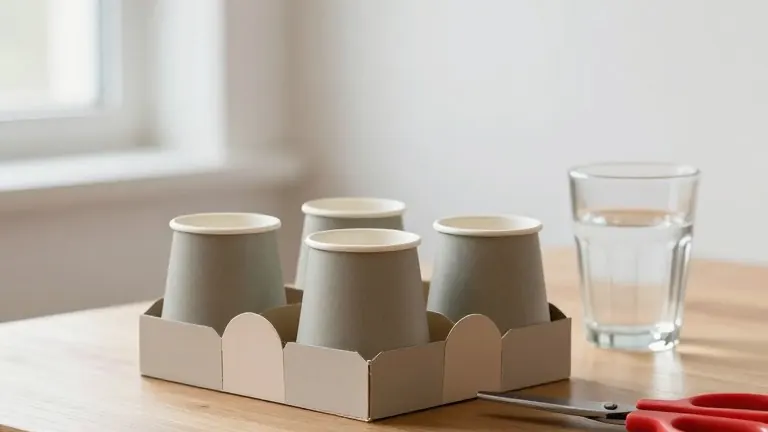
Most paper cups contain a thin internal layer of polyethylene designed to make the container waterproof. This coating creates a barrier that prevents the cup from being processed in conventional recycling plants, despite the common perception that paper cups are more environmentally friendly than plastic alternatives.
Because standard facilities struggle to separate the plastic liner from the paper fiber, the most effective method for reducing the environmental footprint of these items is to extend their useful life at home. The rigidity, light weight, and ease of decoration make the cups suitable for various organization and craft projects.
One application involves creating a modular desk organizer for stationery. The process requires gathering four to six clean, identical cups. The exterior can be covered with wrapping paper, leftover fabric, or acrylic paint to conceal commercial logos. Once dry, the cups are glued together on their sides using liquid silicone to form a row or honeycomb shape. Attaching the structure to a flat base of rigid cardboard makes the unit easier to move.
A second use transforms the cups into biodegradable seed starters for urban gardens. Users must puncture the base of the cup with two to three small holes using a thick needle or scissors to ensure proper water drainage. The cup is then filled with seed-starting substrate to three-quarters of its capacity. After planting seeds and misting the soil, the container remains in place until the seedling is ready for transplant. The paper base can be cut carefully to avoid damaging the roots, allowing the plant to move directly into the ground.
A third method repurposes the cups as dividers for small accessories. The top portion of each cup is cut off to match the exact depth of a drawer. The remaining bases are arranged side by side to fill the drawer space. These circular compartments separate items such as socks, watches, rings, hair elastics, or lipsticks, keeping the items visible and organized.
Source: XHJK-TDT
More Business · Unethical Practices · Report a business · Got a Story?