San Diego Registrar Uses High-Speed Scanners to Verify Mail Ballots
Officials process nearly all county ballots through automated systems to check signatures and ensure chain of custody.
By Chioma Kim ·
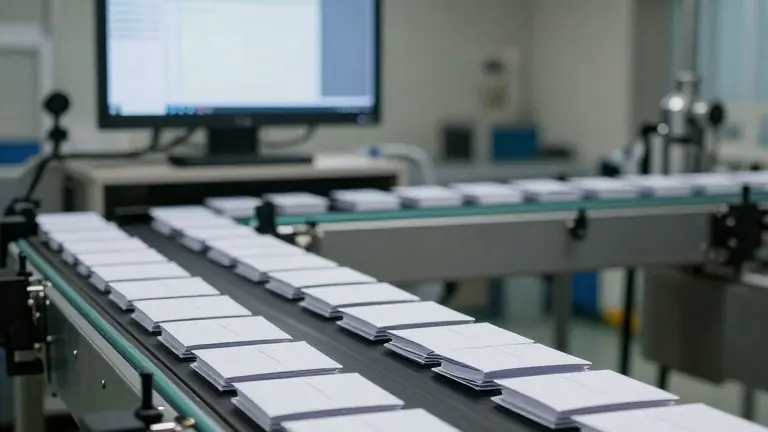
Nearly 95% of ballots counted in the recent San Diego County primary arrived by mail.
The journey begins when envelopes arrive from the post office or local drop boxes. They feed into a high-speed sorting machine capable of processing 42,000 envelopes per hour. During a recent visit, the system flagged a surge in rejected envelopes, displaying rows of red alerts on the computer screen. County technicians identified a faulty belt as the cause. After repairs, the affected envelopes were reprocessed and returned to their proper trays.
The process moved to manual verification in the 2020s as mail voting expanded. Before this, hand-counting was the standard for most primary cycles. The introduction of high-speed scanners in the early 2010s allowed the county to handle larger volumes without increasing staff hours significantly. Signature verification stations were added to ensure each voter’s mark matched their registration records.
Election workers now compare each signature against the voter’s file. Registrar of Voters Sean Brom said discrepancies trigger a review by other team members who examine past signatures. Workers occasionally find ballots signed by family members for one another. A mismatch does not automatically void the ballot. If verification fails, officials mail a letter to the voter. The voter has 22 days after Election Day to provide a current signature. Until then, the envelope remains sealed.
After clearing signature checks, ballots pass through a second machine that counts the number of items entering and leaving the room to ensure no ballots are lost. Workers then open the envelopes. To protect voter privacy, envelopes are positioned so the name is not visible during handling. Brom noted that this separation prevents workers from linking a specific voter to their choices. Once the physical checks are complete, computers convert marked bubbles into digital totals. The vote-counting equipment is isolated from the internet, and access to the room is restricted.
Officials track every ballot using unique IDs on each envelope. If a voter requests a replacement by mail, the original is flagged. This prevents a voter from casting both a mail ballot and an in-person vote. For damaged ballots, two employees work in teams to copy votes onto new forms. They switch roles to verify each other’s work. In the recent primary, 1.37% of mail-in ballots were rejected. The most common reason, aside from late mailings, was a signature mismatch with the voter’s driver’s license.
The next phase involves the general election in November 2026. The county will use the same scanning and verification procedures. Public observers are welcome to visit the Registrar of Voters office to watch the process. An online system allows voters to track the status of their mail-in ballots. The equipment will be tested against known vote totals before the election begins. Brom said the safeguards are designed to catch errors and maintain integrity. The public can also view the process during open hours at the county facility.
Source: KNSD