Brazil's 33 Million Absentees Face Factory Decline in Presidential Runoff
Former industrial workers in Osasco have shifted from Lula to Flávio Bolsonaro as service jobs replace manufacturing, complicating the final vote on Sunday.
By Christopher Richardson ·
Thirty-three million Brazilians did not vote in the first round of the presidential election, marking the highest abstention rate since 1998. This record number of non-voters occurs as the country prepares for a runoff on Sunday between President Luiz Inácio Lula da Silva and right-wing candidate Flávio Bolsonaro.
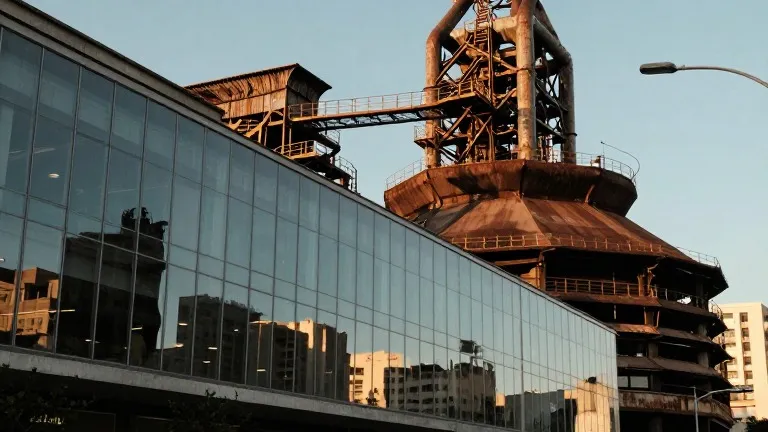
The shift in voting behavior is visible in Osasco, a municipality near São Paulo that has transformed from an industrial hub into a center for commerce and technology. In 2022, Osasco backed Lula, but this year its voters chose Flávio Bolsonaro in the first round. Gilberto Almazan, a metalworkers' union leader, attributes the change to the disappearance of local factories. He noted that metal, chemical, and textile plants vanished while five shopping malls were built in their place.
Almazan describes the traditional union movement that supported Lula as stuck in the "Middle Ages." He argues that the modern working class, which now consists largely of drivers, food couriers, and small traders, values flexibility over the collective welfare structures Lula traditionally championed. This trend, which Almazan calls "Uber-isation," has weakened the industrial base that historically aligned with the left.
Richard Lapper, a biographer of both presidential candidates, observes that Brazil industrialized late and deindustrialized early, sharpening the economic impact on voters. Although unemployment reached a record low and Brazil was removed from the UN's Hunger Map under Lula's current term, Lapper points to a crisis of expectations. Voters feel the strain of higher prices, household debt, and high interest rates, leading to a perception that their financial situation has not improved despite macroeconomic gains.
Voter sentiment reflects this disconnect. Robson, a 53-year-old civil servant and longtime Lula supporter, blames the government's "mismanagement" for heavy taxes. Tairine, a hot dog seller who previously abstained, now intends to vote for Bolsonaro, stating that nothing has changed since Lula returned to office. Gisele Bonfim, a lawyer who voted for Lula in 2022, says she sees "the hope of change" in Bolsonaro's platform.
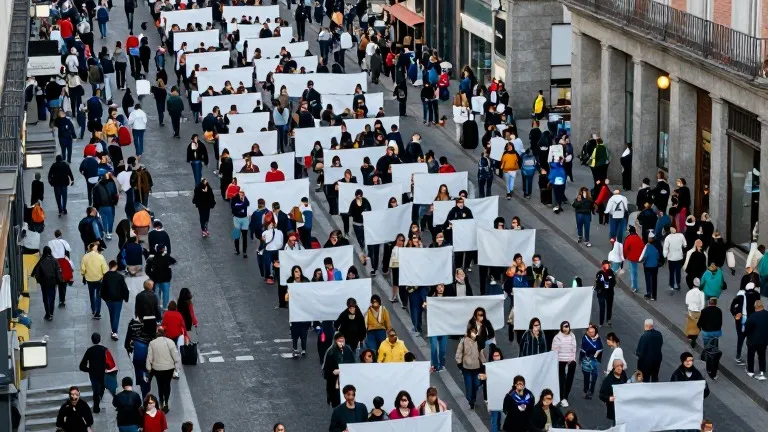
Flávio Bolsonaro has proposed reducing government spending, cutting ministries, and lowering some taxes. He plans to retain certain flagship welfare programs introduced by Lula, though he faces corruption accusations that he denies. In contrast, Lula's campaign has mobilized hundreds of thousands of supporters, including students, for street rallies. One rally in São Paulo drew approximately one million attendees, a fact Lula highlighted on social media to counter claims about his age.
Support remains strong among the poorest populations. In Maré, one of Rio de Janeiro's largest favelas, Lula won the first round despite above-average abstention. Vitoria, an 18-year-old mother earning under 300 pounds a month, supports Lula for the minimum wage increase and free essential medicines. However, she doubts Bolsonaro's plan to designate the Comando Vermelho gang a terrorist organization, citing fears of police violence similar to last year's raids in Rio that killed more than 130 people.
Religious institutions are also influencing the electorate. Evangelical churches, attended by about a quarter of Brazilians, are providing services like childcare and employment advice. Pastor Silas Malafaia, who is being investigated for allegedly obstructing the coup trial of Jair Bolsonaro, supports Flávio Bolsonaro for his stance on family values and opposition to abortion. Almazan fears that the loss of industrial voters signals a permanent shift, warning that "there will never be another Lula."
Source: BBC News
More Politics · World news · Report a business · Got a Story?