FCC Blocks Two Devices After 2026 Chip Rule Implementation
The US regulator stopped a dashcam and video transmitter from reaching stores due to Huawei-linked silicon inside.
By Christopher Richardson ·
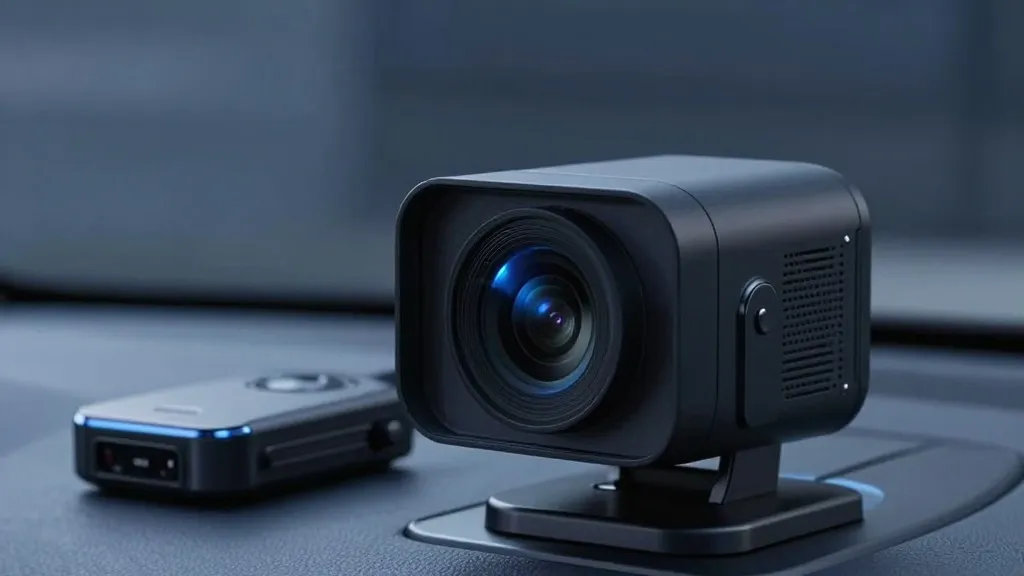
The Federal Communications Commission has issued its first two device bans under a new regulation that focuses on internal components rather than product branding. These initial actions target a dashboard camera and a wireless video transmitter, marking a significant shift in how US authorities handle consumer electronics imports.
Both items were prohibited from sale because they feature a HiSilicon Smart Vision system on a chip. HiSilicon operates as a subsidiary of Huawei, a corporation that appears on the FCC's Covered List of entities posing potential risks to national security. This new framework closes a previous gap where rebranded goods containing restricted Chinese parts could still enter the market without scrutiny.
The specific processor involved is the Hi3516CV610 UHD Smart Vision unit. It is engineered for surveillance applications, including vehicle dashcams and wireless CCTV systems. The hardware integrates WiFi, Ethernet, video encoding capabilities, an Arm Cortex-A7 processor, and a neural processing unit designed for artificial intelligence tasks.
The neural processing unit is the primary focus of the agency's concern. The FCC classifies it as a device containing logic-bearing smart components manufactured by listed entities. Technical documentation indicates that the Intelligent Video Engine relies on this unit to run a built-in multimodal large model. This setup allows the system to track relationships between objects across video frames, maintaining attention on subjects such as faces, pets, and parcels.
For everyday users, this technology enables a camera to distinguish between a pet moving and an unknown person taking a delivered package. However, regulators argue that the same logic-bearing AI could serve less benign purposes, such as surveying US citizens or logging facial data for foreign surveillance efforts.
Huawei has a history of involvement in chip-related controversies. The company previously used shell entities to deceive TSMC into manufacturing AI chips despite US requests to halt supplies to certain Chinese customers. This incident contributed to several prior product bans in the United States.
Public reaction to the recent moves has been divided. Some observers view the action as protectionist, while others question if American surveillance practices differ significantly from foreign ones. There is also debate regarding the scope of FCC authority, with some noting that the Communications Act of 1934 covers both wired and wireless communications. Others suggest that targeting silicon directly was a necessary step given the many regional variants a single product might have.
Source: Tom's Hardware