Homeowners Wrap Furniture Legs in Aluminum Foil to Stop Bedbug Climb
The low-cost method relies on the insect's inability to fly or jump and its preference for textured surfaces.
By Nadia Almasi ·
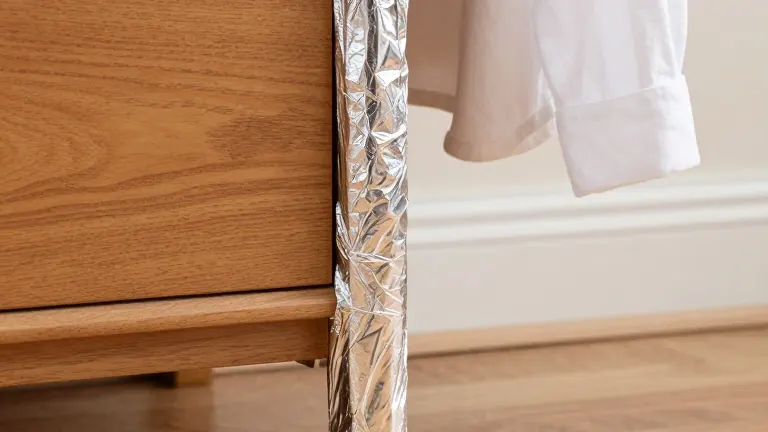
Homeowners are using sheets of aluminum foil to keep bedbugs away from stored clothing. The method targets the way these small parasites move through a house. Bedbugs cannot fly or jump. They must crawl along surfaces to reach a host or a hiding spot.
The insects seek out dark, warm places near the human body. They often hide in seams, folds, and pockets of garments. Clothing serves as a transport vehicle for the bugs. They hitch rides on clothes after being in contact with infested areas. Common entry points include mattresses, sofas, public transit seats, movie theaters, and hotel rooms.
The presence of bedbugs in a wardrobe does not indicate poor hygiene. The bugs do not reproduce inside the fabric. They are simply moving from one location to another. The smooth, shiny surface of aluminum foil acts as a physical barrier. The texture makes it difficult for the insects to gain a foothold.
Before applying the foil, residents must clear the area of existing insects. Experts recommend washing suspect clothing at a minimum temperature of 60 degrees Celsius. The clothes should then be dried on high heat for at least 30 minutes. Heat kills the bugs in all stages of their development. This step ensures no live insects are trapped inside the storage space.
The next step involves preparing the storage area. Homeowners clean closet shelves, drawers, and plastic bins thoroughly. They remove all dust and debris. The surfaces must be smooth and clean before the foil is applied. This preparation allows the foil to lie flat and function as an effective seal.
Users cut sheets of aluminum foil to fit the bottom of shelves or drawers. They place the shiny side facing up. The material should be stretched taut with minimal wrinkles. This setup covers the base where clothes will rest. The foil creates a layer between the garment and the wood or plastic surface.
For hanging clothes, the method requires wrapping the legs of furniture. Homeowners tightly wrap each leg of dressers or clothing racks with foil. They press the material firmly against the wood or metal. This creates a continuous band around the leg. Bedbugs struggle to climb over the smooth, metallic surface. The barrier stops them from reaching clothes hanging above.
For long-term storage or travel, residents use airtight plastic bags. They place clean clothes inside these bags and add a small, crumpled piece of aluminum foil. The foil sits inside the bag alongside the garments. The sealed zipper keeps the interior isolated. This double layer prevents stray insects from entering the bag and reaching the fabric.
This approach offers a practical solution for those dealing with minor infestations. The cost of materials remains low. The process requires no special tools or chemicals. It relies on the physical limitations of the insect. Homeowners control the variables of heat, texture, and enclosure to protect their belongings.
Source: XHJK-TDT