Musicians Turn to Raw Sounds as AI and Studio Tricks Erode Trust in 2026
A new wave of artists is rejecting polished production, citing a surge in faked identities, synthetic vocals, and digital manipulation that has left listeners questioning the authenticity of their favorite tracks.
By Christopher Richardson ·
The music industry in 2026 is defined by a growing disconnect between what audiences hear and what they believe to be real.
Mainstream pop stars and emerging artists are increasingly accused of using manufactured fan bases, plagiarism, and artificial intelligence to create viral hits. This trend has led to a surge in counterfeit vinyl, de-aging video effects, and claims that chart successes are the result of nepotism or rigged metrics rather than organic talent.
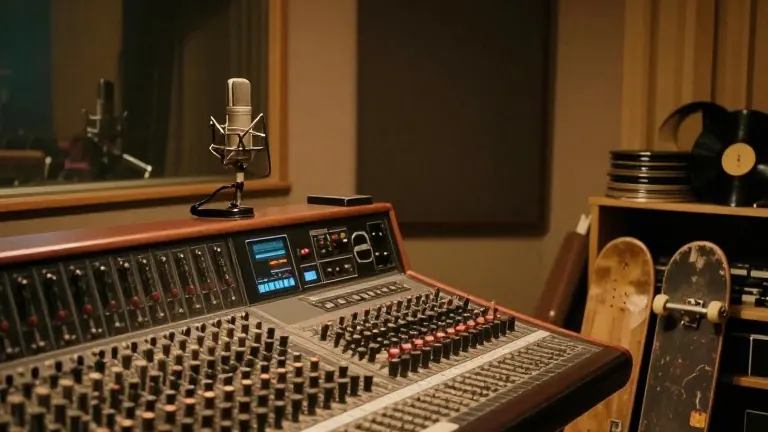
In response, a group of new bands is rejecting these polished methods in favor of raw, DIY aesthetics. Twisted Teens, a New Orleans-based rock group, uses a punky retro garage sound to contrast with the smoothness of AI-generated tracks. Other acts like Westside Cowboy, Mandy Indiana, and GENA are gaining acclaim by employing noise rock, self-dismantling hyperpop, and jazz-funk styles that feel unpolished and human.
Caspian Hollywell of Twisted Teens captures this tension in his song "Is it real?" where he sings about salvation and medication with a voice described as disheveled and insistent. He argues that his band offers a genuine experience, telling an interviewer, "You can like us or you can hate us, but you can't say we're not real." This claim connects to a long history of debates over authenticity that date back to the early 20th century.
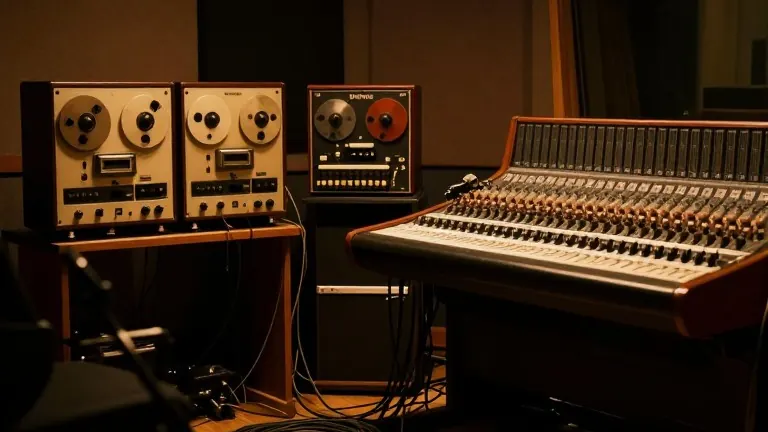
Historical precedents show that technology often triggers these authenticity crises. In 1979, guitarist Ry Cooder recorded his album Bop Till You Drop using digital systems, a move that was considered revolutionary at the time. While Cooder initially appreciated the clarity, he later admitted the digital transfer made the music sound thin and cold compared to the warmer feel of analog tape.
A separate debate erupted in the 1990s regarding pop star Paula Abdul. Session singer Yvette Marine sued Abdul for using a composite voice on the hit "Opposites Attract," claiming the producers blended their vocals with computer technology. Marine lost the case, but critic Simon Reynolds argued that Abdul was being unfairly targeted in a campaign for real music, noting that her style was showbiz construction rather than pure performance.
Hugh Barker and Yuval Taylor outlined three types of authenticity in their 2007 book Faking It: representational, cultural, and personal. Representational authenticity questions whether an artist actually performed the work. Cultural authenticity depends on verifiable ties to specific communities, a factor that influenced how critics viewed Cooder and Abdul. Personal authenticity asks whether confessional songs reflect the artist's true experiences or rely on empathy.
Today, the question of authenticity extends beyond recording techniques to include social factors and identity. Listeners often adjust to new technologies, such as the holograms in the ABBA Voyage show that has drawn crowds since 2022. The current discourse remains urgent, reflecting a pervasive anxiety that the pursuit of the real self has outpaced the ability to verify it in a digital age.
Source: KPBS