Prototype Game Boy Cartridge Draws Attention With High Initial Offer
A rare developmental unit of a classic Nintendo title is up for sale, prompting questions about its technical origins and final sale price.
By Nadia Almasi ·
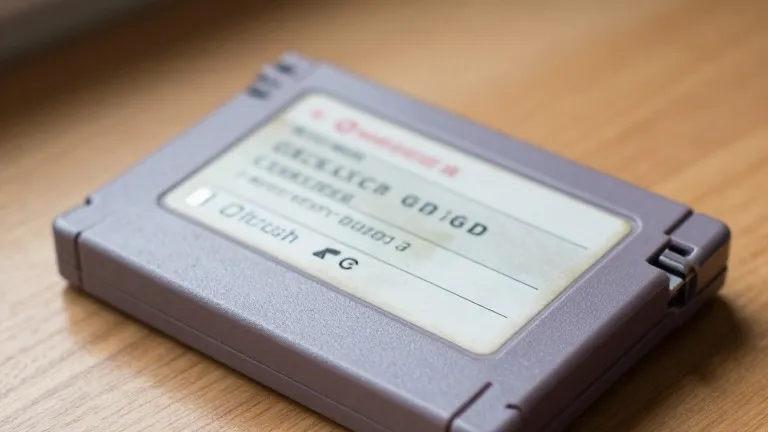
A developmental unit of a 1998 Nintendo Game Boy title has entered the market, drawing immediate attention from collectors and historians alike. As of this week, the listing on the Goldin platform shows a single bid placed at twenty-five thousand dollars. The item was initially identified by Retro Dodo, which labeled the find as exceptionally scarce for the platform.
Experts at PSA authenticated the physical media. While they could not extract the full data from the chip, they successfully read the first thirty-two kilobytes of the content. The firm described this partial read as technically unique. Beyond that initial segment, the data mirrors the American retail release exactly. The authenticators are confident the remaining unreadable sections will match the standard version.
The technical report highlights two specific variations in the header data. Neither difference changes how the game plays. One discrepancy appears at a specific memory offset that indicates the mask ROM version. The value is set to fifty-five instead of the expected zero. This shift changes a calculated checksum value nearby, which reads CB instead of the standard twenty.
The physical casing carries a sticker with the code DMB-MBC-16M-FLASH. The part number is listed as DMG-(F)KGDB-01. The report suggests the DMB prefix likely refers to the original internal codename for the device, known as Dot Matrix Game. The MBC portion probably stands for Memory Bank Controller. This custom chip allowed games to use more than the standard thirty-two kilobyte limit. The sixteen M likely denotes sixteen megabits of flash writable memory. The unit is also physically longer than a standard cartridge.
The auction listing calls the board a previously undocumented development model. However, the specific part number has appeared in other records. The Rare Gaming Dump wiki lists the same code for a development cartridge from the year 2000. That older unit also used a sixteen megabit Sharp flash chip. Images from the current listing show a design that is nearly identical to the wiki entry, though the older sticker reads slightly differently.
The title in question launched a global phenomenon in the 1990s. It was released alongside two other versions. Reports indicate that the Red and Blue editions combined sold more than thirty-one million copies. This historical significance adds to the appeal of the prototype unit.
Bidding on the item remains open for several more days. The current holder of the twenty-five thousand dollar bid may ultimately secure the piece. However, the final price could rise before the auction concludes. A reader comment on the original report offers context on how such items surface. One user claimed a Nintendo employee kept a batch of demo cartridges in 2015 instead of destroying them. That same commenter suggested this specific copy is a master version that powers on and functions normally. These details remain unverified claims from the online discussion.
The appearance of such a rare item highlights the ongoing interest in early video game hardware. Collectors continue to value original development tools as much as the finished products. The market for these niche pieces remains active and competitive.
Source: Tom's Hardware