San Diego D.A. Requests Mexican Records on Tijuana Factory Pollution
County officials seek data on industrial discharges to pursue U.S. owners of cross-border polluters.
By Nadia Almasi ·
The San Diego County District Attorney's Office has formally requested records from the Mexican government to investigate whether Tijuana-based factories are polluting local water supplies. The office announced the move on Thursday. The request targets environmental data from January 2023 through September 2026.
District Attorney Summer Stephan said the office is looking at companies that have U.S. parent entities or ownership interests. She stated that the department may have jurisdiction to investigate these firms. The goal is to gather evidence on industries operating as maquiladoras with American financial ties.
The request was sent to Mexico's Federal Attorney for Environmental Protection, known as PROFEPA. This agency serves as the equivalent of the U.S. Environmental Protection Agency. The D.A.'s office asked for inspection reports, enforcement actions, fines, and complaints involving illegal discharges into the Tijuana and Alamar rivers.
The investigation follows a report by the nonprofit San Diego Coastkeeper. Titled the 2025 Tijuana River Valley Water Quality Report, the document found industrial and chemical pollutants in the river. The report identified volatile and semi-volatile compounds in the water.
Detected substances included heavy metals, pesticides, PFAs, acetone, phenols, and benzoic acid. The report stated that these findings pointed to pollutants from Tijuana factories. It claimed the factories were dumping pollutants directly into surface waters or allowing them to enter the sanitary sewer system due to inadequate wastewater treatment.
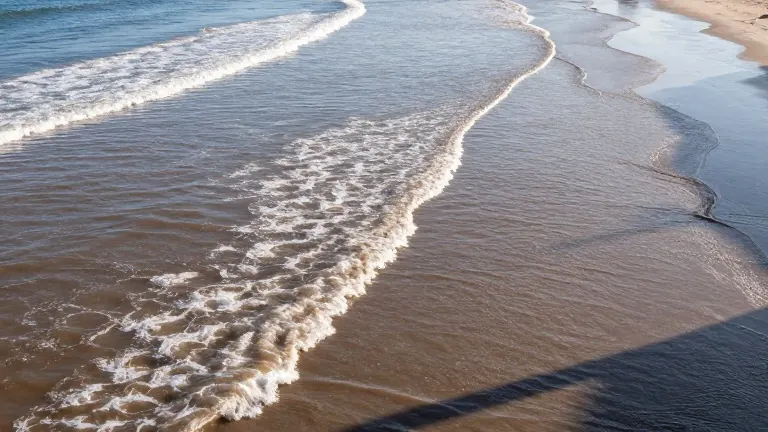
Billions of gallons of sewage have flowed into San Diego County via the Tijuana River annually. This flow has jeopardized the health of South Bay residents. The Coastkeeper report added that industrial chemicals are also present in the water, extending the contamination beyond sewage.
Stephan compared the situation to a robbery that begins in Mexico and continues into San Diego County. She said the same principle should apply to environmental violations that originate across the border and cause harm locally. The D.A.'s office is using the requested records to identify and gather evidence on these cross-border industrial activities.
Source: KNSD