Space Force Rejects SpaceX Offers
The US military passed on three launch contracts while Spanish engineers finalize a new rocket for 2027.
By Nadia Almasi ·
The US Space Force just turned down three launch opportunities from SpaceX.
In a surprising move reported this week, the military branch declined offers from the private giant for three specific contracts. This rejection comes at a time when the Space Force has been actively seeking to diversify its launch providers and reduce reliance on any single entity. The decision highlights a shifting dynamic in the commercial space sector, where even the dominant player is not guaranteed every available slot. While the specific reasons for the rejection were not detailed in the initial reports, the move underscores the competitive landscape currently forming around government procurement strategies for orbital access. It signals that the era of default assignments may be ending, replaced by a more rigorous evaluation process that weighs cost, timeline, and strategic fit.
On the civilian side of the ledger, attention has turned to the complex logistics of deep space travel. A NASA safety panel has indicated that SpaceX’s Starship vehicle might require as many as 22 separate refueling operations in orbit to support a lunar landing mission. This high number of in-space propellant transfers presents significant technical challenges. Each refueling event carries inherent risks, from docking precision to the structural integrity of the tanks during repeated pressurization cycles. The panel’s assessment suggests that while the architecture is theoretically sound, the execution requires a level of reliability that has yet to be proven in operational flight. Engineers will need to demonstrate that the vehicle can handle these repeated interactions without degrading its performance or safety margins.
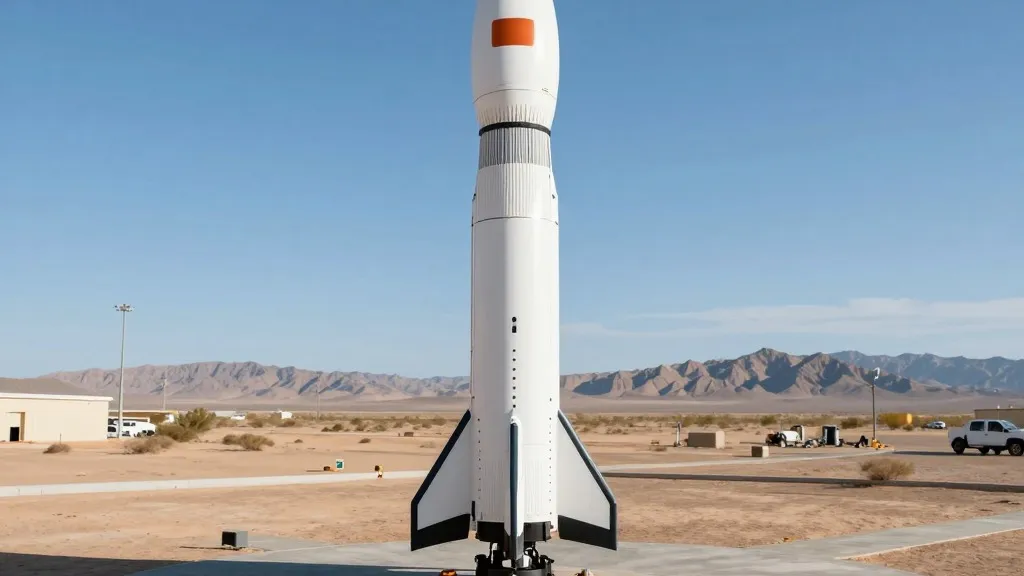
Meanwhile, in Europe, a new player is closing in on its debut flight. PLD Space, a Spanish company, has announced that its Miura 5 rocket is nearing final integration for its inaugural launch. The vehicle is targeted for a first flight before mid-2027. This small-lift rocket represents a significant step for the European launch market, aiming to provide a cost-effective option for customers needing to reach low Earth orbit. The company has already manufactured three units of the Miura 5, with the first two dedicated to qualifying key system elements. This staged approach allows the engineering teams to refine their processes before committing the primary launch vehicle to flight. CEO Raúl Torres noted that this continuous workflow across production stages has been crucial in applying lessons learned from qualification campaigns directly to the launch-ready vehicle.
The progress on the Miura 5 is tangible, with one second stage now fully integrated. This stage is currently at PLD’s test facility in Teruel, where it is undergoing a rigorous qualification campaign. The testing includes a wet dress rehearsal and a static hot-fire test, both of which are critical for verifying that the engine and structural components can withstand the stresses of launch. By conducting these tests under representative operating conditions, the team aims to identify and resolve any potential issues before the rocket reaches the launch pad. This methodical approach to testing is standard in aerospace but remains vital for a new entrant seeking to establish credibility in a crowded and demanding market.
Across the Atlantic, Canadian startup Reaction Dynamics is moving to scale up its operations. The company has announced plans to raise $350 million to expand its workforce significantly. Currently employing 68 people, the firm aims to grow its staff to more than 350 in the coming period. This capital injection is intended to accelerate the development of its small-lift Aurora rocket, which is currently targeted for an orbital debut in 2028. The funding will also support the company’s longer-term ambitions, including the development of a medium-lift vehicle named Borealis. This rocket is slated to make its first flight by 2031, positioning Reaction Dynamics to offer a range of launch capabilities that can address different customer needs over the next decade.
The move by Reaction Dynamics reflects a broader trend among launch startups to secure substantial funding early in their development cycles. Raising capital now allows the company to hire the specialized engineering talent required to move from concept to flight readiness. The transition from a small team to a workforce of over 350 will involve significant organizational changes, including the establishment of new departments for manufacturing, testing, and operations. The Aurora rocket is designed to compete in the small-lift segment, a market that has seen increased activity in recent years. By securing funding now, Reaction Dynamics aims to maintain its development schedule and avoid the delays that often plague underfunded aerospace projects.
As these developments unfold, the space industry continues to navigate a period of rapid change and intense competition. From the US military’s selective approach to contracts to the technical hurdles of lunar refueling, the sector is grappling with both strategic and engineering challenges. For SpaceX, the rejection by the Space Force is a reminder that market dominance does not equate to invincibility in government procurement. For NASA and its partners, the high refueling count for Starship underscores the complexity of making lunar missions routine. And for emerging players like PLD Space and Reaction Dynamics, the next few years will be critical in proving that their vehicles can deliver on their promises.
The coming months will provide key milestones for these projects. The integration of the Miura 5’s second stage and its subsequent hot-fire test will offer the first major data points on the rocket’s performance. Meanwhile, Reaction Dynamics’ fundraising efforts will determine the pace of its hiring and development. In the US, the outcome of future launch contract auctions will reveal whether the Space Force’s strategy of diversification continues to gain traction. These events, occurring simultaneously, paint a picture of a global space industry that is becoming more fragmented yet more dynamic than ever before. As we move toward the latter half of the decade, the decisions made now will shape the landscape of commercial spaceflight for years to come.
Source: Ars Technica · original report published