Spain's Menú del Día: More Than a Meal as Social Glue Frays
The average price of the menú del día has risen to 14.70 euros, and daily servings have dropped by four million since the 2009 peak.
By Chioma Kim ·
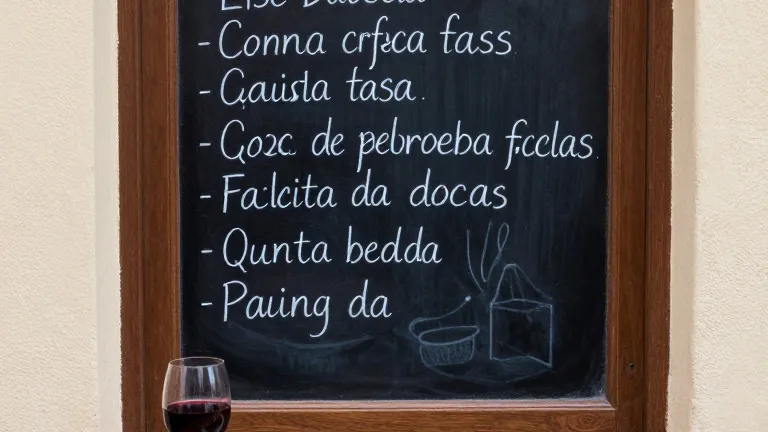
The average price of the menú del día in Spain has reached 14.70 euros, a figure that reflects rising costs for small, family-run restaurants. This increase comes as the daily habit of eating a set-price lunch loses ground, with approximately 4 million meals still served on weekdays. The tradition, which has been part of Spanish life for more than half a century, now faces economic pressure from higher energy and food bills.
Spanish food journalist Lakshmi Aguirre documents these shifts in her new book, Menú del Día: Everyday Scenes of a First Course, a Second Course and Pudding. She argues that while the institution is in trouble, it is not yet finished. The menu is described as a meeting point where families with limited means can eat out and people who live alone find company. Aguirre stated that what is being lost is this social function, not just the meal itself.
The history of the menú begins in the mid-1960s under the dictatorship of Francisco Franco. Manuel Fraga, the information and tourism minister, devised the menu to show foreign visitors that food in Spain was plentiful, good, and affordable. The original regulation required establishments to serve a soup starter, a main of egg, fish, or meat with a side dish, and a pudding. The accompanying quarter-litre of wine had to be pure, clean, and pleasant Spanish red or white with at least 12% alcohol.
Prices were fixed between 50 and 250 pesetas during that era. In the early 1970s, the offer was renamed to make it look less like an effort to attract tourists and to encourage ordinary Spaniards to use it. Today, many people do not know the menu's origins. Aguirre noted that when she mentioned Fraga while researching, many people threw their hands up in shock. She said this reaction says a lot about how quickly Spaniards forget their history.
Ferran Adrià, the country's best-known chef, declared the menú dead in 2009. He blamed changing eating habits, economic downturns, and bistro-style restaurants charging 20 to 30 euros for simple meals. Seventeen years later, that verdict appears premature, as the set lunch remains a staple in many towns and cities. However, the number of daily servings has declined as people short on time opt for quick lunches, bringing food from home or microwaving supermarket meals.
Small restaurants are struggling to offer a rotating daily choice due to rising costs. Some have turned to a single dish of the day, while others have added Latin American staples to reflect Spain's changing demographics. Aguirre accepts this evolution, saying the menú has always mirrored the society that eats it. She described the tradition as part of the country's history that has reflected the evolution of Spanish society.
Aguirre outlined her tests for a good venue, which include simple dishes, a regularly changing menu, and chips that are not frozen. She looks for a chorus of regulars and a chalkboard free of words such as avocado, burrata, tartare, truffle, or sourdough bread. Her own ideal meal consists of a simple vegetable stew, followed by hake in green sauce or baby squid in ink, and finished with leche frita or rice pudding. Bonus points are given if the owners' child is doing homework at a table in the back.
The true privilege of the menú, according to Aguirre, lies not just in being able to pay for a meal, but in having the time to enjoy it. Nostalgia is growing as people realize the habit is fading. The menu continues to appear on blackboards, whiteboards, and sheets of paper taped to restaurant windows shortly before midday on working days. It remains a fixed point in the daily routine for millions of Spaniards despite the rising price tag.
Source: The Guardian
More Culture · World news · Report a business · Got a Story?