Tesla Pushes Self-Driving Rollout Into 2027 With Strict Limits
The company is targeting the second quarter of next year for a version of the feature restricted to specific locations.
By Chioma Kim ·
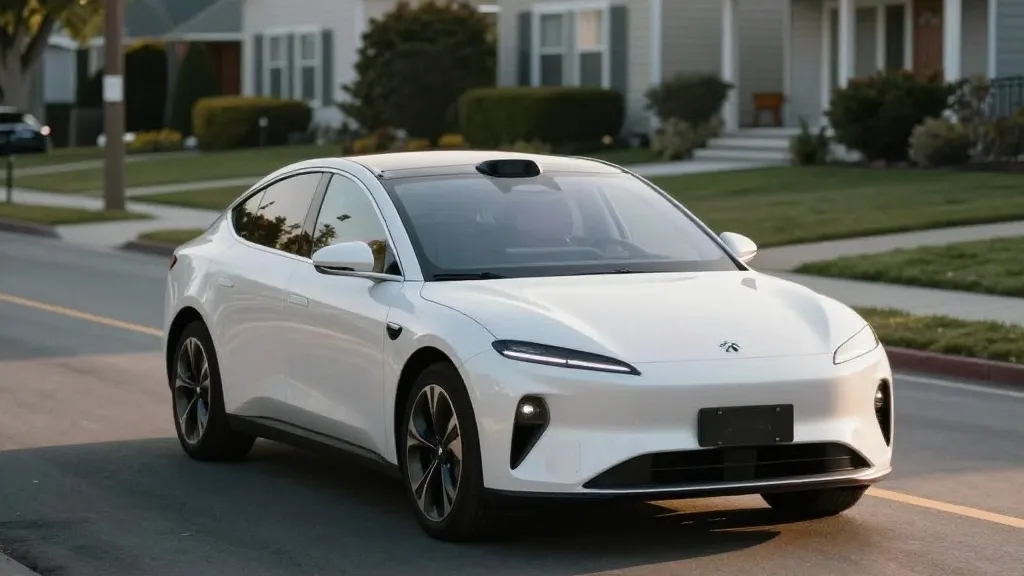
Tesla has set a new target for unsupervised driving capabilities in customer vehicles. The company now expects to deliver this feature in the second quarter of 2027. This timeline came from AI chief Ashok Elluswamy during the company's Q3 2026 earnings call on October 21. The schedule applies to vehicles already sold to customers.
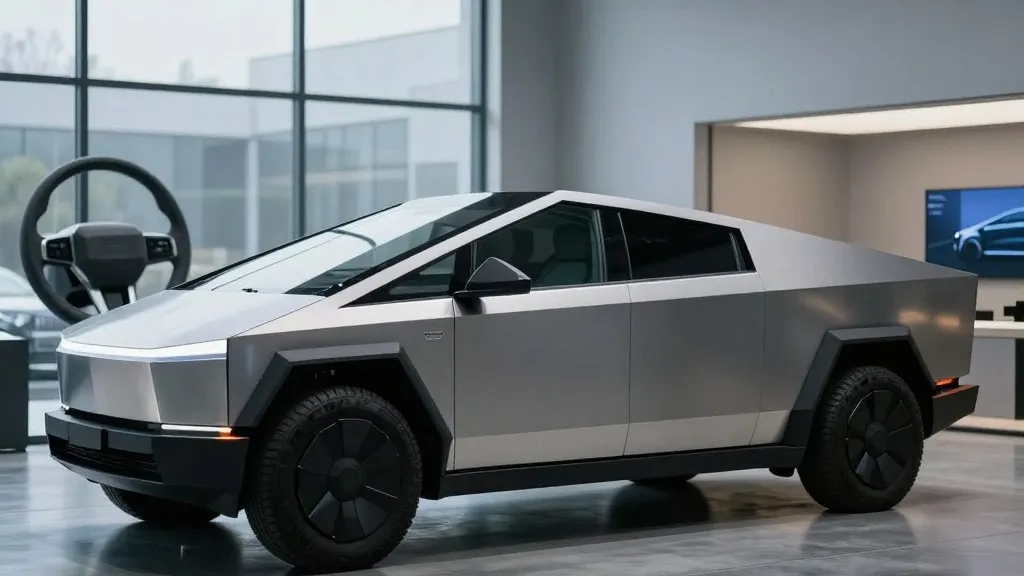
The rollout will be limited in scope. Elluswamy described the initial step as adding owner vehicles to Tesla's managed Robotaxi fleet. This allows the car to operate without a driver inside specific areas. The vehicle will not be able to drive anywhere the owner chooses. It will only operate where the Robotaxi service already exists.
These operating zones are currently very small. The service runs in six US metros. Most areas cover only small portions of those cities. Miami coverage includes West Miami and a strip toward Doral and Sweetwater. Orlando and Tampa launched in July with similar boundaries. Inside these zones, cars use low-speed routes and stay off highways.
California regulations add further limits. Tesla cannot operate without a safety driver in the Bay Area. The company has not released certain data to the California DMV. This data is required for operations beyond a level 2 system. Consequently, the service remains supervised in the state.
The fleet size is also modest. Tesla reported nearly 2 million cumulative unsupervised miles by the end of Q3. The Cybercab joined the Austin fleet one month prior to this milestone. Third-party tracking earlier in the spring showed only a few dozen fully driverless Teslas on the road. Waymo has over 3 million miles.
This plan differs from the original sales pitch. For years, buyers were told the car would eventually drive itself anywhere via a software update. Musk told investors in July 2025 that unsupervised use would be available by the end of that year. He previously expressed surprise if Tesla lacked self-driving by the following year.
Hardware limitations are also a factor. Some owners with HW3 computers have been told their vehicles cannot run unsupervised FSD. There is no clear plan for upgrades in this group. The new target for Q2 2027 applies only to the specific fleet and zone operations described by Elluswamy.
Elluswamy did not confirm a firm date for wider release. He stated that safety remains the bottleneck for the system. The company avoids harder environments for this reason. He guessed that these safety issues might be fixed by next year. No specific date was confirmed for that work.
Source: Electrek · original report published