Tesla’s 1.74 Million FSD Count Relies on Pre-Purchase Owners
A new metric for Tesla's driver-assist feature includes one-time buyers, a definition that aligns with Elon Musk's compensation targets but obscures the number of monthly payers.
By Christopher Richardson ·
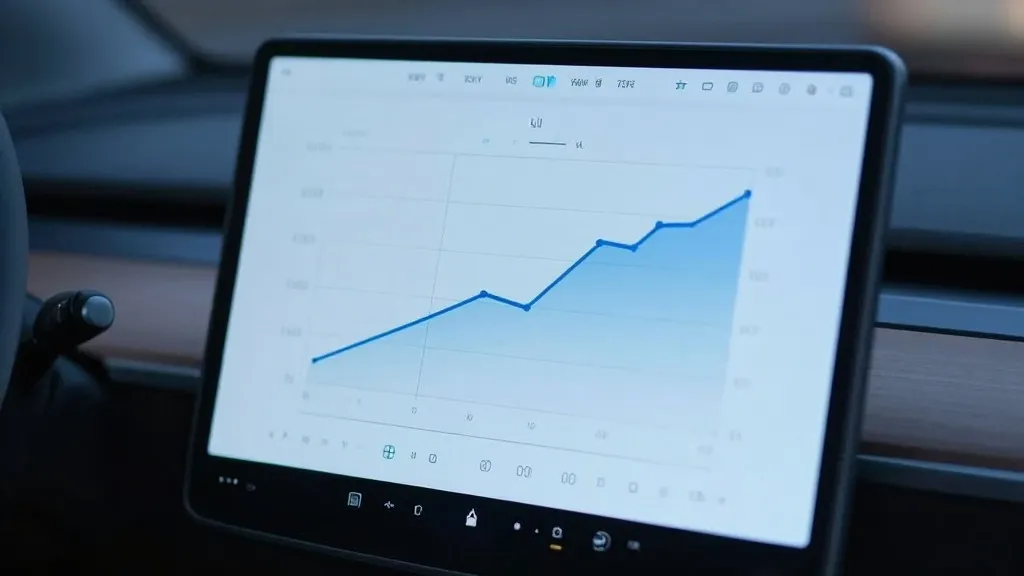
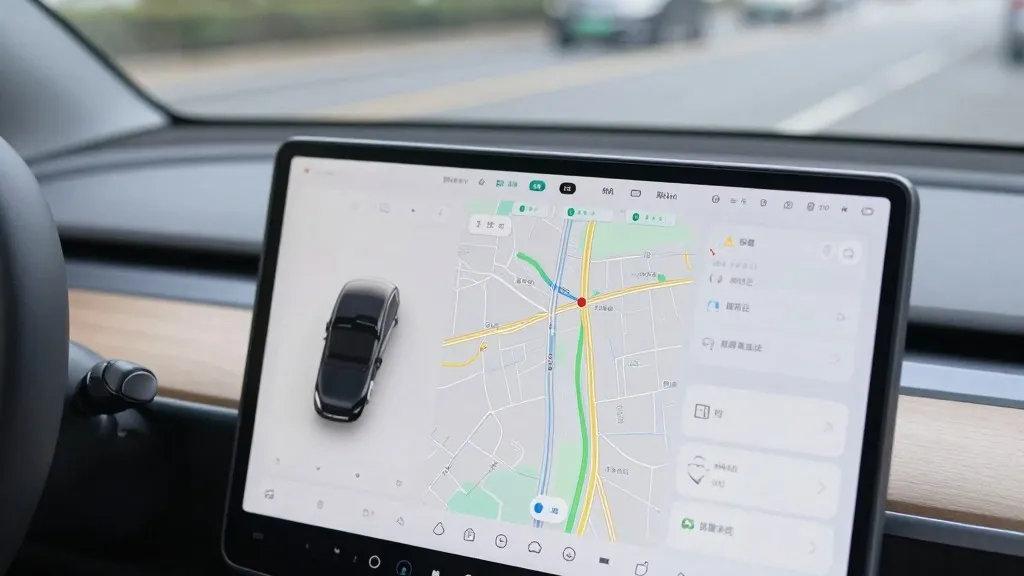
Tesla reported on Tuesday that it has reached 1.74 million active Full Self-Driving (FSD) subscriptions, a figure that represents a 67% increase from the same period last year. However, the headline number relies on a specific accounting method that includes owners who purchased the software outright years ago, rather than just those paying a recurring monthly fee. This distinction is critical because the 10 million active FSD subscription milestone is a key performance indicator for Elon Musk’s 2025 CEO performance award, a package worth billions if all conditions are met.
The company’s Q3 2026 shareholder letter clarifies that the metric follows the definition established in the 2025 CEO Performance Award, which counts both upfront payments and monthly subscriptions. Tesla ceased selling FSD as a one-time purchase on February 14, 2026, shifting new customers to a $99 monthly model in the U.S. Nevertheless, the 1.74 million total includes the hundreds of thousands of drivers who paid up to $15,000 before the policy change. While free trials are excluded from this count, the letter does not specify how many of the current active users are actually paying the monthly fee versus those who bought the software permanently.
This accounting strategy appears in other parts of the report as well. Tesla’s cumulative delivery count, now at 10.2 million, includes unsupervised Robotaxis placed into commercial operation to align with the 20 million vehicle milestone in the pay package. The board of directors approved these definitions, meaning the metrics used to evaluate the company’s success are directly tied to the compensation structure for its CEO. As of June 30, Tesla deemed only the 20 million delivery milestone probable, leaving the 10 million FSD subscription target significantly further out of reach.
In terms of growth, Tesla added 260,000 net FSD subscriptions in the third quarter, marking its best performance to date. If this pace continues, the company would need approximately eight years to reach the 10 million mark. However, looking at the trailing twelve-month average of roughly 700,000 additions per year, the timeline extends to nearly twelve years. The compensation package runs until 2035, giving the company a long runway, but the current trajectory suggests the milestone is a distant goal rather than an imminent achievement.
Tesla also claimed that more than 75% of new deliveries in North America included FSD subscriptions in Q3, a jump of nearly twenty percentage points from the previous quarter. The company stated it believes FSD is driving demand in available markets. Yet, the letter does not define whether this attach rate includes introductory offers or how many of those initial buyers continue to pay after the first few months. Unlike the active subscription metric, the attach rate does not explicitly exclude free trials, leaving investors without clear data on long-term retention.
The ambiguity of these metrics has raised questions about how the company presents its software momentum. By counting one-time buyers as subscribers, Tesla inflates the total user base in a way that benefits the compensation narrative. The board, which wrote the definition, is the same body overseeing the CEO’s pay, creating a structural alignment between reported numbers and executive rewards. Until Tesla discloses the specific number of monthly payers, the 1.74 million figure remains a blended statistic that serves a specific contractual purpose.
Looking ahead, the focus will likely shift to whether the 75% attach rate translates into sustained monthly revenue. If a significant portion of new buyers drop off after introductory periods, the growth in active subscriptions may slow. The company knows the exact number of monthly payers, but for now, the market is left to interpret a metric that counts a decade-old purchase as a current subscription. As Tesla pushes toward the 2035 deadline, the clarity of these software metrics will be essential for understanding the true health of its FSD business.
Source: Electrek · original report published
More Business · Unethical Practices · Report a business · Got a Story?