Ukraine's AI drones claim 0.3-mile autonomous strike range
Local defense firms are equipping first-person-view aircraft with onboard computers that identify targets and execute final approach without pilot input.
By Nadia Almasi ·
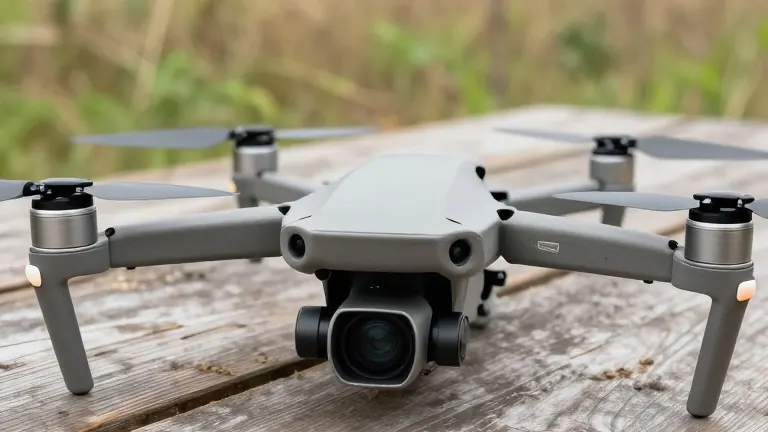
Ukrainian defense companies are deploying artificial intelligence to control the final 0.3 miles of drone flights. This shift moves the decision to engage targets from human hands to onboard software during the last 500 meters of a mission.
The technology originated from civilian applications. Yaroslav Azhnyuk, a 37-year-old computer scientist, previously founded Petcube. That company sold one million smart cameras to U.S. households. These devices used AI to monitor pets and dispense treats. After Russia’s full-scale invasion in 2022, Azhnyuk pivoted his engineering focus to the defense sector.
Azhnyuk now leads The Fourth Law and Odd Systems. Both firms are based in Ukraine. Dozens of military units have already adopted their autonomous platform, the Lupynis-10-TFL-1. The system combines a standard first-person-view drone with a specialized guidance unit. This unit contains a microcomputer running a deep-learning neural network. The software has been trained on hours of combat footage to recognize vehicles, tanks, and flying objects.
In a test field outside Kyiv, engineers demonstrated the system’s autonomy. A pilot, known by the call sign Professor, guided the drone manually until it locked onto a moving target. The drone then released control. The onboard computer navigated the craft to the vehicle independently. Stab, the head of the test and integration team, noted that the pilot performed no actions during the final approach.
Azhnyuk describes the technology as a simple image recognition tool rather than a complex general intelligence. He distinguishes it from the AI systems powering large language models or self-driving cars. The drone uses these tools to navigate, select targets, and fly toward objectives without human input.
President Volodymyr Zelenskyy has warned that AI could make battlefield decisions by next year. Azhnyuk agrees with this timeline. He argues that human reaction times of minutes or hours cannot match systems that process data in microseconds. If Russia uses AI for offensive decision-making, Ukraine must use it defensively to maintain parity.
The company names its weapons after Ukrainian intellectuals persecuted by Soviet forces. The current drone honors poet Anatoliy Lupynis. Azhnyuk states that naming the aircraft this way helps resurrect the memory of these figures. He views the technology as a tool for survival rather than a complex ethical dilemma.
The Fourth Law teams conduct daily tests in various environments. They confirm that the drones are difficult to jam and include safeguards to prevent rogue behavior. Human operators still select the initial target, but the drone executes the final strike sequence automatically.
Source: KPBS