Windows VPN Tools Now Allow Users to Exclude Specific Apps From Encryption
ProtonVPN and NordVPN have enabled split tunneling features that let subscribers bypass speed penalties for selected programs while maintaining security for others.
By Chioma Kim ·
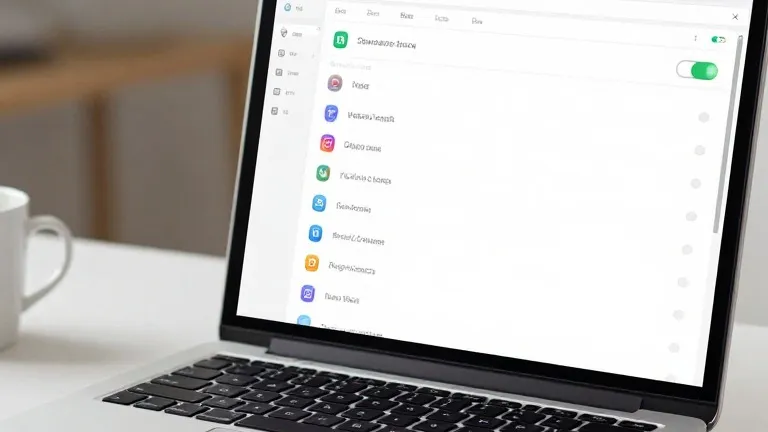
Users of ProtonVPN and NordVPN on Windows can now exclude specific applications from encrypted traffic, a capability known as split tunneling. This feature allows software to connect directly to the internet while other programs continue to route through the VPN's encrypted bridge. The option addresses a common trade-off in virtual private network usage, where strong protection can reduce connection speed.
A standard VPN masks a user's location and prevents internet service providers from viewing browsing activity. However, this encryption can slow down data transmission. Split tunneling mitigates this issue by allowing users to keep high-bandwidth applications, such as online games, outside the tunnel. It also helps users access local services, like movie showtimes or smart home devices, that rely on the user's actual geographic location or local network IP addresses.
ProtonVPN displays a split tunneling link on the right side of its main Windows console. Once enabled, users can select a list of apps to include in the tunnel, leaving all other traffic unencrypted, or they can choose apps to exclude, leaving the rest protected. NordVPN requires users to click the cog icon in the bottom left corner of its interface to access the toggle. After flipping the switch, the software prompts the user to designate which applications receive VPN protection.
The most common implementation is app-based routing. A user might keep a banking application within the encrypted tunnel for security while allowing a weather application to run directly so it reports accurate local forecasts. Some services offer URL-based rules, which apply the VPN based on domain names rather than specific software. Route-based and policy-based methods, which rely on IP addresses or broader rule sets, are less common in consumer software and are typically used by administrators managing multiple users.
Mobile devices offer similar controls, though with different limitations. Android devices and desktop platforms allow users to select specific apps for inclusion or exclusion. iPhones restrict users to excluding websites and IP addresses rather than individual applications. The setup process is generally a one-time task. Once configured, the routing rules remain active, requiring no ongoing manual adjustments unless the user changes which programs require protection.
Source: Wired