30 Dead, 500 Trapped: High-Speed Crash Halts Southern Rail Links
A collision between Renfe and Iryo trains south of Madrid killed at least 30 people, forcing hospitals to cancel surgeries and suspend all traffic on the line to Andalusia.
By Christopher Richardson ·
Commuters and travelers heading south from Madrid now face a total suspension of rail service as the aftermath of a high-speed collision continues to unfold. The crash, which occurred on Wednesday morning, has severed the primary rail link between the capital and Andalusia, leaving more than 500 passengers in the vicinity of the accident site.
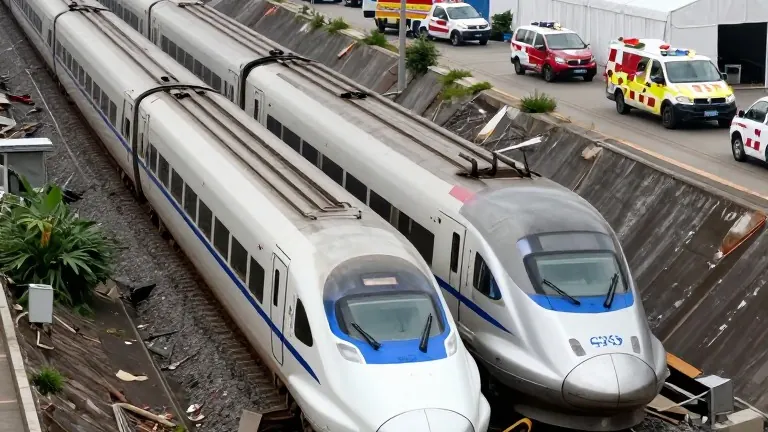
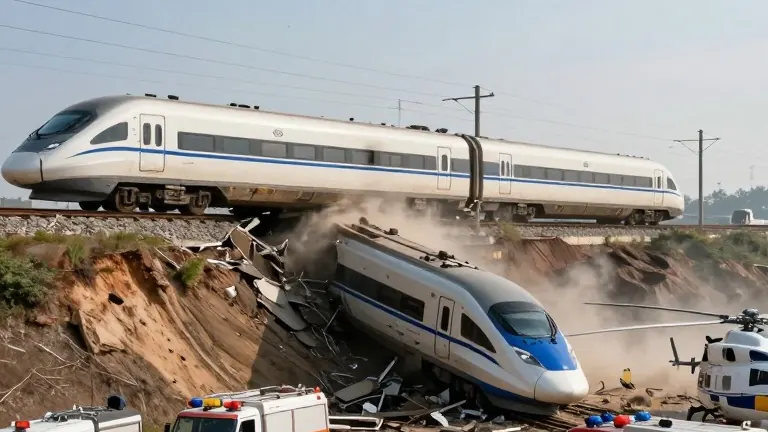
The incident took place shortly after 09:00 local time between the towns of Mora and Orgaz, approximately 140 kilometers south of Madrid. A Renfe state-owned train struck an Iryo private high-speed train from behind. Reports indicate the Iryo service was stationary when the collision occurred. At least two carriages left the tracks and plunged down an embankment.
Emiliano García-Page, the president of the Castilla-La Mancha regional government, confirmed that at least 30 people have died. He warned that the death toll is likely to increase as rescue efforts continue. Esther Padilla, a spokesperson for the regional government, provided a breakdown of the passengers on board. The Iryo train carried 146 passengers and one infant, while the Renfe train held 397 passengers.
Emergency crews, including fire brigades and helicopters, are working to clear the site. Adif, the rail infrastructure operator, halted all traffic on the line at stations along the route. Renfe confirmed that services between Madrid, Ciudad Real, and Andalusia are suspended. The cause of the crash has not yet been determined, but the impact was described by one passenger as a heavy shock felt about 40 minutes into the journey.
Local healthcare facilities are scrambling to handle the influx of injured. Hospitals in Toledo, Ciudad Real, and Alcázar de San Juan have cancelled planned surgeries to make room for accident victims. A blood transfusion center in Madrid issued an urgent appeal for donations, anticipating a sharp rise in demand. This response highlights the immediate strain on public resources following the disaster.
Prime Minister Pedro Sánchez stated on social media that he was shocked by the accident and remained in contact with the transport minister and regional leaders. He and other politicians canceled public engagements, including campaign events for next month’s parliamentary elections. The Spanish royal family expressed concern and sent condolences. An EU spokesperson indicated the bloc was ready to assist if required.
This is the second major high-speed rail tragedy in Spain this year. In January, a derailment in the south caused rear carriages to move into the path of another train, killing 46 people. The current crash has reignited attention on safety protocols for the country’s expanding high-speed network.
Source: BBC News