Intel Gains FCC Relief for Factory Bots
The chipmaker secured a temporary exemption to ensure its automated guided vehicles remain compliant while regulators clarify the scope of new restrictions on foreign-made mobile robots.
By Chioma Kim ·
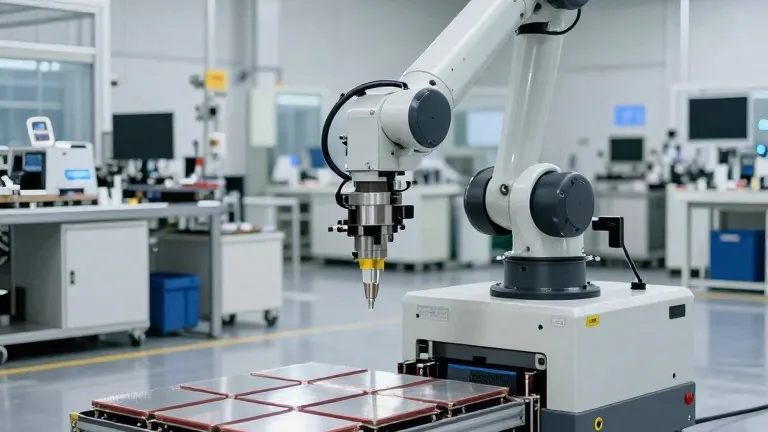
Intel received a one-year waiver from the Federal Communications Commission to operate specific foreign-made robotic vehicles in its United States semiconductor facilities. The agency published its decision on October 22, allowing the chipmaker to continue using the equipment without immediate compliance issues. Intel requested the exemption to maintain operations while determining if its machines fell under recent regulatory changes.
The dispute centers on automated guided vehicles that transport materials across factory floors. These machines operate on predefined tracks and typically require oversight from human operators. Intel stated in its filing that it was unclear whether these specific industrial units qualified as robots covered by the new ban. The company sought relief out of an abundance of caution to prevent potential disruptions to its manufacturing output.
The FCC’s new rules primarily target newly designed mobile robots, including humanoid models and consumer devices such as robot vacuums. Equipment that received approval for sale in the United States before the rule change can still be imported. However, the agency appears to restrict major modifications to these previously authorized devices. This limitation creates uncertainty for manufacturers relying on existing inventory that may require updates to maintain efficiency.
Bloomberg News reported that such vehicles are commonly manufactured by Japanese firms like Murata Machinery and Daifuku Co. The specific models used by Intel were listed in a confidential appendix to its waiver request. Consequently, the public record does not identify the exact machinery involved in this exemption. The lack of public detail leaves other industrial users without a clear benchmark for their own compliance strategies.
The waiver includes provisions for maintenance. Intel is permitted to make specific changes to hardware, software, and firmware during the one-year period. These modifications are intended to ensure the vehicles continue functioning reliably. The agency’s approval allows the company to address technical needs without violating the restrictions on foreign-made equipment.
The situation illustrates how regulations drafted with consumer electronics in mind can impact heavy industry. Intel’s move to seek a formal exemption demonstrates that even major manufacturers require legal clarity to operate their infrastructure. The company will use the next twelve months to operate its vehicles while the regulatory environment settles.
Source: Ars Technica
More Business · Tech news · Unethical Practices · Report a business · Got a Story?