Midterm Vote Watchers: House Republicans Send Staffers Across States
The Committee on House Administration is sending staff to districts where races may be close, with shifts that can run for days in some jurisdictions.
By Nadia Almasi ·
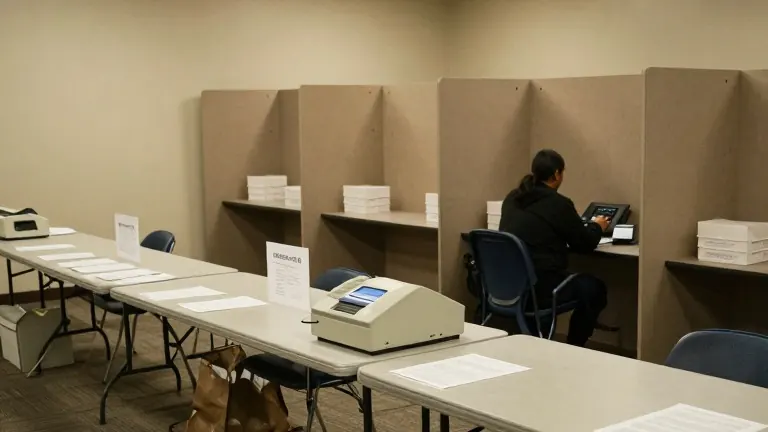
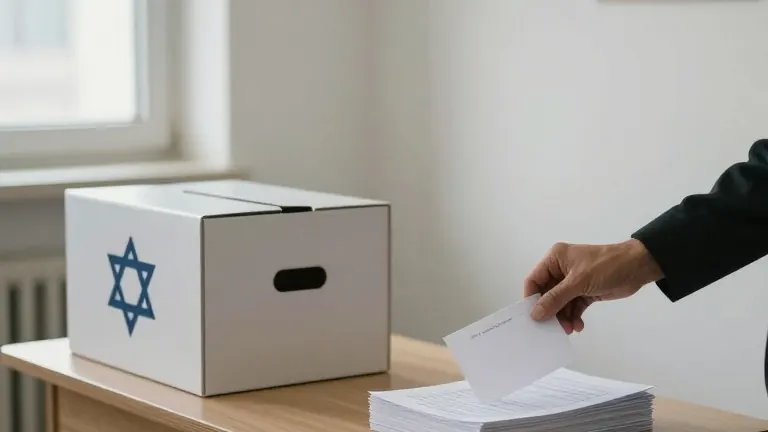
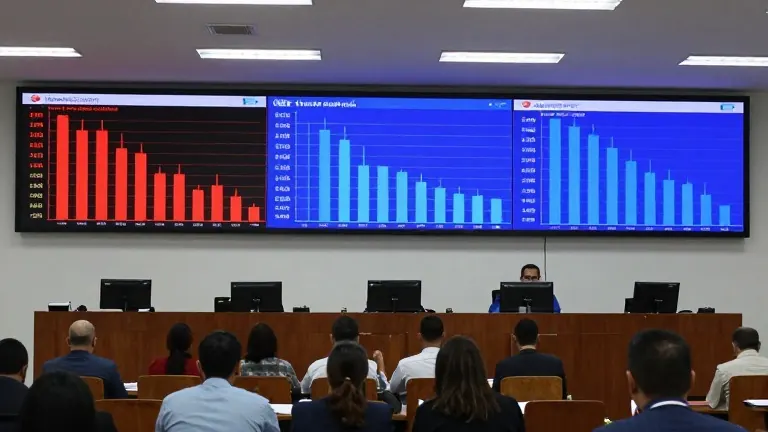
House Republicans are sending staff to polling places and counting rooms across the country on Election Day, Nov. 3, to document how ballots are handled in districts where margins may be thin. Rep. Bryan Steil, R-Wis., chairman of the Committee on House Administration, said the effort would involve "dozens and dozens" of personnel. The committee's jurisdiction covers federal elections.
The program, run annually by the Committee on House Administration, places watchers in districts where close races are expected. The committee's chairman described this year's effort as "the most robust program the House has ever done." The observers record what they see at polling locations, and their documentation can support requests for recounts or court challenges if irregularities surface. Their work is federally protected under the Confirmation of Congressional Observer Access Act, which Congress enacted in 2024. Any House staffer may take part, with the exception of interns.
Shift length varies with local rules. Steil said observers in Florida, where he said elections are run well, may finish by early evening. In California, he said, shifts can extend for days until counting concludes. Polling places often operate for a full 12 hours, and some observers remain through tabulation.
The program's roots lie in specific incidents Steil has described from prior cycles. Two years ago, he visited Los Angeles County, where about 10 million residents' ballots are counted at a single location. He said he met with observers there as ballots arrived days after polls closed. California permits ballots to reach election officials after polls shut. He also recalled a Milwaukee tabulation in which an issue arose that would have required a recount of thousands of ballots.
Observers work directly with the committee on Election Day. Steil said that contact lets the panel send additional resources and prepare court challenges when required. The watchers identify problems first, then notify the committee's team, he said. Democrats may run their own program under the same law, but they do not coordinate with Republicans on it.
The balance of power in the House is at stake in the Nov. 3 elections, and the committee is placing staff where races are expected to be close. Steil said the goal is to have observers present as votes are cast and, in some cases, as ballots are counted. He said the observers record events and confirm that rules are followed.
Observers remain on duty through the count in jurisdictions where tabulation runs long. The committee's watchers stay in direct contact with Steil and the panel throughout Election Day. The Confirmation of Congressional Observer Access Act, enacted in 2024, protects the observers' access to polling places and counting sites.
House staffers other than interns may serve as observers. The committee's program runs on Election Day, Nov. 3, and continues in jurisdictions where counting extends past that date. Steil said observers notify the committee's team when a problem appears, and the committee then acts.
Source: Fox News