Rio Grande Valley voters weigh border security against daily costs
Polls show Hispanic support for Trump fading in Texas districts that helped him win in 2024, complicating the Republican path to re-election in November.
By Christopher Richardson ·
For many residents in the Rio Grande Valley of Texas, the decision to support the administration that secured the border is becoming harder to make. New surveys conducted since late summer indicate that a majority of Hispanic voters in the state now disapprove of President Donald Trump. They also favor Democratic candidates over Republican ones by a wide margin in key districts.
This shift threatens to undo gains the Republican Party made in 2024, when Trump captured approximately 55% of the Hispanic vote in Texas. That figure stood as a record for a Republican presidential candidate. With the midterm elections scheduled for 3 November, Democratic operatives are preparing to contest seats that were previously considered safe for the GOP.
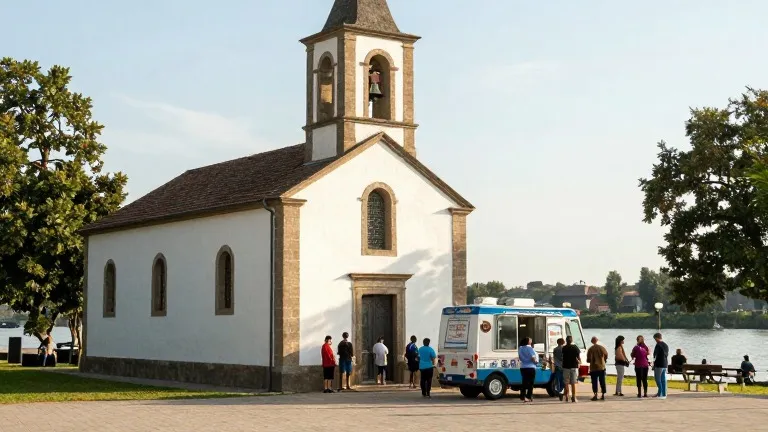
The change in sentiment is visible in local communities. At La Lomita Catholic Chapel, located about 200 yards from the Rio Grande, Father Roy Snipes addressed a congregation of roughly 30 people. Most of the worshippers were Hispanic. Snipes, who has served the parish for nearly 50 years, criticized the actions of Immigration and Customs Enforcement. He told the group that there was no valid reason to detain and deport neighbors who were good people.
Data from the Deportation Data Project shows that Texas accounted for about one-third of all ICE arrests in the United States during July 2026. No other state had a larger share. This enforcement intensity has become a central issue for voters in the border region, even as physical crossings reach their lowest levels in decades.
Local leaders are grappling with the trade-offs between security and economic stability. Javier Villalobos, the Republican mayor of McAllen, acknowledged that the race would be difficult. He noted that while many residents accept the removal of criminals, the removal of productive and law-abiding workers creates friction. Mario Guerrero, a businessman who led the South Texas Builders Association, said he would vote for a Democrat in November. Guerrero voted for Trump three times previously but cited a lack of clarity on how far the administration would go. He pointed to an acquaintance whose crew of 35 daily workers had shrunk to four or six individuals.
In the state's 15th congressional district, the numbers reflect this tension. The district was redrawn in 2025 to provide Republicans with a nominal 18-point advantage. Current polling, however, shows Democrats holding a lead of five to six points. The Democratic candidate, Bobby Pulido, is a Tejano singer and two-time Latin Grammy winner. He has avoided national party branding and focused his campaign on the cost of living. He told voters, "This isn't New York, this isn't LA."
Economic concerns rank high among voters. At a local avocado festival, residents Dave Baldwin and Veronica Salazar blamed the president for rising prices. Baldwin stated that the president is in control of the nation's destiny and is not performing well in that role. Republican campaigners admit they are facing challenges. Student volunteer Alexis Uscanga described the midterms as purely a game of turnout. Tano Tijerina, the Republican candidate in the neighboring 28th district, acknowledged that national political headwinds are real, though he credited Trump with breaking through barriers.
If the polling holds, the shift could impact races beyond the Rio Grande Valley. A modest swing back toward Democrats in these districts could put a US Senate seat in play. Democrats have not won that seat in more than 30 years.
Source: BBC News
More Politics · World news · Report a business · Got a Story?