Tehran Households Slash Essential Spending as Inflation Hits 90 Percent
Rising food costs and currency devaluation have forced Iranians to cut back on meat, dining, and savings, with annual inflation reaching nearly 90 percent.
By Chioma Kim ·
Annual inflation in Iran reached 89.9 percent in September, a figure that has fundamentally altered the daily survival strategies of families across Tehran. The surge in prices has forced households to abandon long-standing consumption habits, prioritizing immediate necessities over comfort or future financial security. This economic contraction is not just a statistical trend but a lived reality for millions who are redefining what they can afford.
The scale of the price increase is evident in basic groceries. A basket of eleven essential food items now costs 56 million rials, or approximately $20.70, per person in September. For a family of three, this total climbs to 168 million rials, or $61.70. These figures dwarf the government's support mechanisms. The state food voucher, valued at 10 million rials, covers less than 18 percent of the per-person cost. This coverage has dropped sharply from the roughly 30 percent it provided in December 2025. Meanwhile, the estimated monthly wage for a standard worker remains around $100, highlighting a widening gap between income and expenditure.
Personal accounts from Tehran reveal the human cost of these numbers. A newly married woman, who requested anonymity, explained that her family’s wedding fund was redirected to cover a housing deposit. She now works two shifts to repay a loan, leaving little time for life outside the workplace. She described her home as merely a place to sleep, noting that she and her husband feel poorer every single morning. Her experience mirrors a broader pattern among ordinary citizens who are cutting back on dining out, travel, and savings to survive.
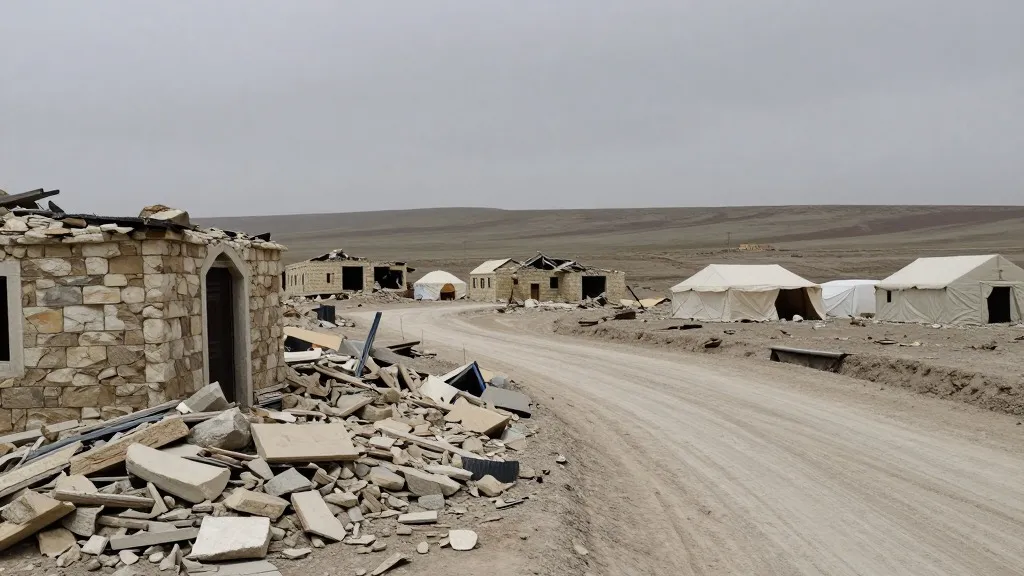
The pressure on household budgets stems from a convergence of long-term structural issues and recent geopolitical conflicts. Years of international sanctions and a steadily declining rial have weakened the economy. The war that began on February 28, involving the United States and Israel, damaged infrastructure and further disrupted trade. A US naval blockade reduced oil exports and imports, while Iranian attacks in the Strait of Hormuz hindered shipping. In August, the US Treasury launched a new sanctions campaign labeled "Economic D-Day" to isolate Tehran financially. These factors combined to intensify the hardship that fueled the deadly crackdown on protests in January.
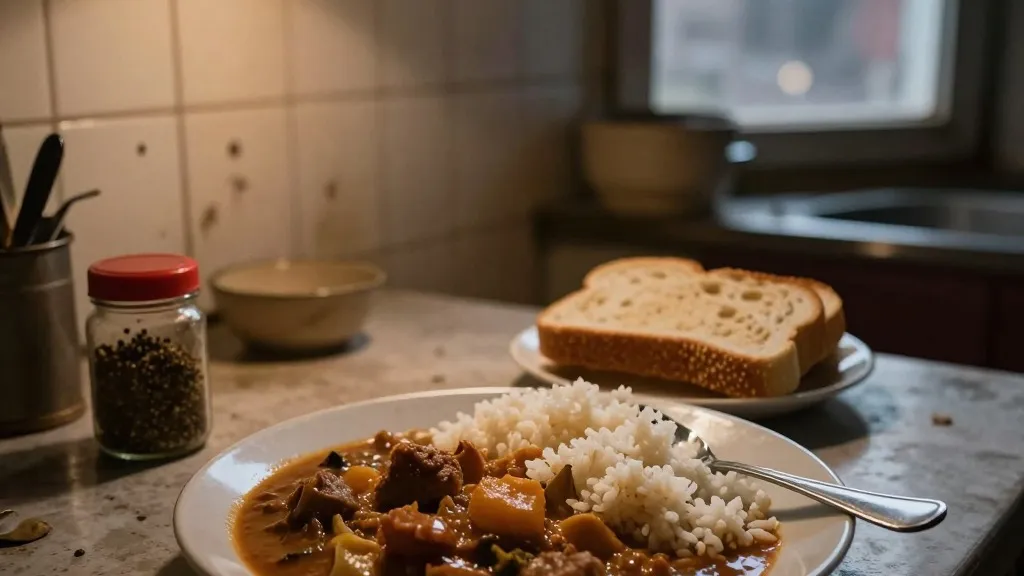
Dietary changes serve as a clear indicator of the strain. A field survey in central Tehran found that families are making tough choices about which necessities to forgo. The cost of cooking at home has roughly doubled in one year. A meal of ghormeh sabzi, the national herb stew, served with rice, now costs 23 million rials, or $8.45. Even simple potato patties cost about 4 million rials. One woman noted that her family reserves most of its meat and chicken for their growing children. She and her husband now rely on legumes and meat substitutes, fearing that further price hikes will force them to cut protein from their children’s diets as well.
The impact is not limited to lower-income earners. A retired woman living on a monthly pension of 180 million rials, or $66, has reduced her intake of meat and other major protein sources since the Iranian year began in March. She worries about her health but feels fortunate because she does not pay rent. Similarly, a middle-aged man in western Tehran with a household income of 1 billion rials, or $367, feels the pinch. His earnings are significantly above the Tehran average of 600 million rials. Despite this, he stated, "I can live for today, but I have no savings for tomorrow." He has eliminated travel, dining out, and saving from his life entirely.
Even those with moderate incomes are adapting their social lives. A 28-year-old woman earning 400 million rials, or $147, per month has changed how she socializes with friends. They used to visit cafes weekly, but now they often order one dish for two people to split the bill. For her, sharing food is the only way to make an outing affordable. Central bank Governor Abdolnaser Hemati acknowledged on October 23 that Iranians are bearing a "heavy burden." However, he maintained that efforts to isolate the country’s economy had failed to achieve their primary objective. The data suggests otherwise, as the disconnect between wages and costs continues to widen.
Source: RFE/RL