Tesla bets on 20,000 weekly robot output
The automaker is ramping up humanoid production in Fremont, aiming for a million units annually while relying on a self-learning robot academy to refine its AI.
By Christopher Richardson ·
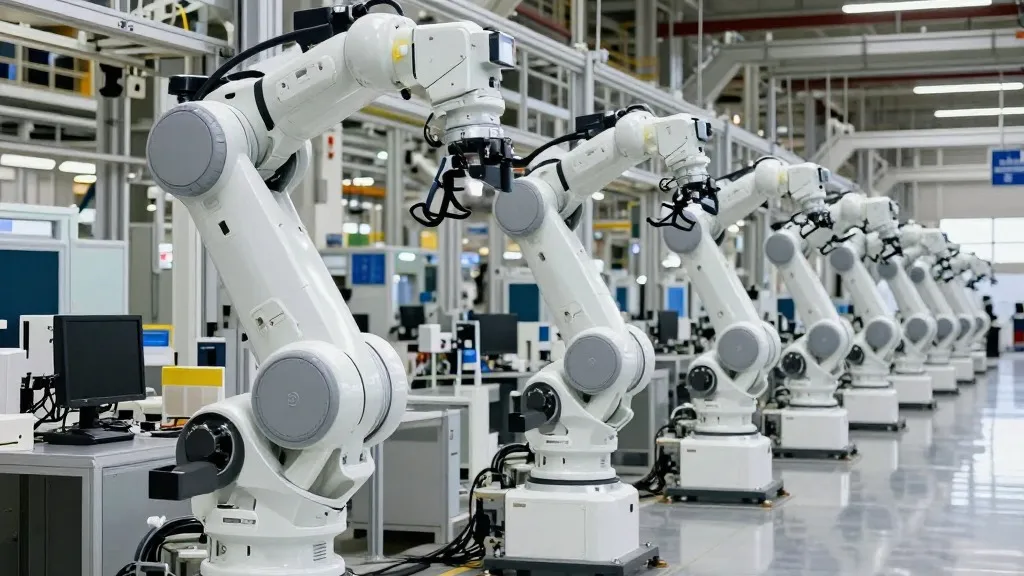
Tesla has signaled a major shift in its manufacturing economics by projecting that its humanoid robot output will climb to approximately 20,000 units per week. This aggressive ramp-up is being driven from a dedicated production line currently operating inside the company’s Fremont, California facility. The move marks the first time the company has produced its Optimus robots on a high-volume line designed to meet commercial product standards, a milestone detailed in the firm's third-quarter shareholder letter.
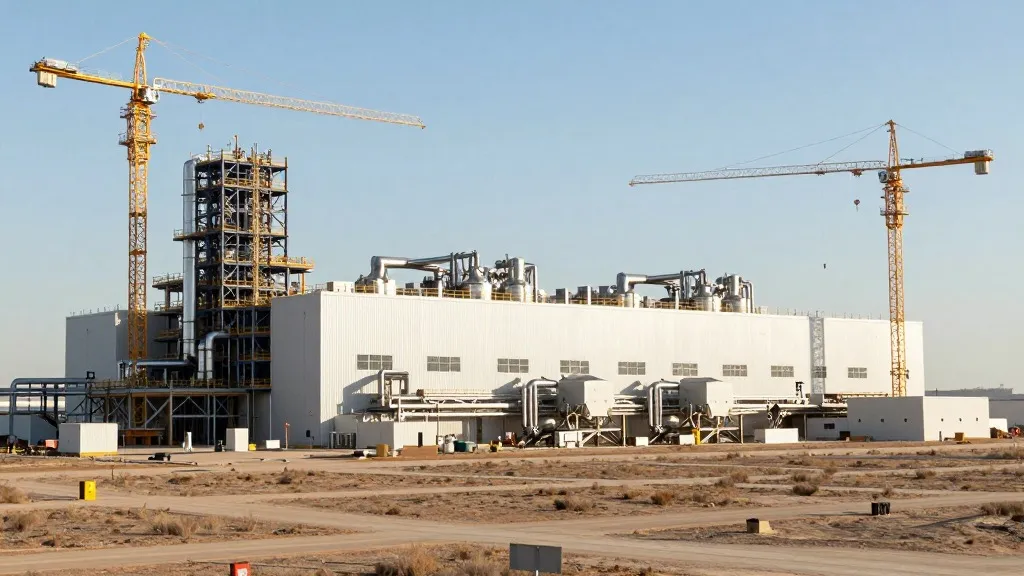
The transition of the Fremont plant has been rapid, with Tesla clearing the space previously used for Model S and Model X production in just 46 days. This area, now sized for an annual capacity of one million units, represents a significant reallocation of capital and physical infrastructure. CEO Elon Musk noted during the recent earnings call that most of the necessary equipment for this expanded capacity is already in place. He characterized the production growth as following a classic S-curve, though he warned that the initial slope would be shallow as the team refines the robot’s reliability, electromechanical design, and service life.
A central challenge for the business model is the absence of a large fleet to generate training data, unlike Tesla’s automotive division. To solve this, the company is deploying an internal system dubbed the Optimus Academy. This initiative will involve between 10,000 and 20,000 robots practicing various tasks, with every unit manufactured serving as a data source to improve the next iteration of the AI. Musk expects this refinement process to conclude by the end of next year, paving the way for deliveries to outside companies for repetitive and hazardous labor.
Hardware upgrades are also on the horizon to support this volume strategy. Tesla plans to integrate its AI5 chip into the Optimus platform next year, which should enhance processing capabilities. The company aims to release new footage within the next month or two, demonstrating tasks driven by AI rather than preprogrammed motions. This approach is intended to distinguish the product from rival humanoid demonstrations that rely on scripted routines, which Musk argued would lack durability in real-world applications.
The supply chain is increasingly aligned with this expansion. In September, Tesla certified Tuopu, Joyson, and Sanhua as mass-production partners for key components. Meanwhile, a much larger facility is under construction at Giga Texas, with drone imagery showing the steel frame nearing completion. Musk has set a long-term target for that plant at 10 million robots per year, indicating a massive scale-up beyond the initial Fremont operations.
From a cost perspective, executives indicated that Optimus production costs are trending toward the expected manufacturing cost of the Cybercab. This alignment suggests the robot is being engineered for volume from the outset. However, the dexterity of the robot’s hands remains the most difficult engineering hurdle. Significant resources are currently focused on solving this issue, a point Musk highlighted during the X Takeover event earlier this month.
Source: Teslarati · original report published
More Business · Unethical Practices · Report a business · Got a Story?